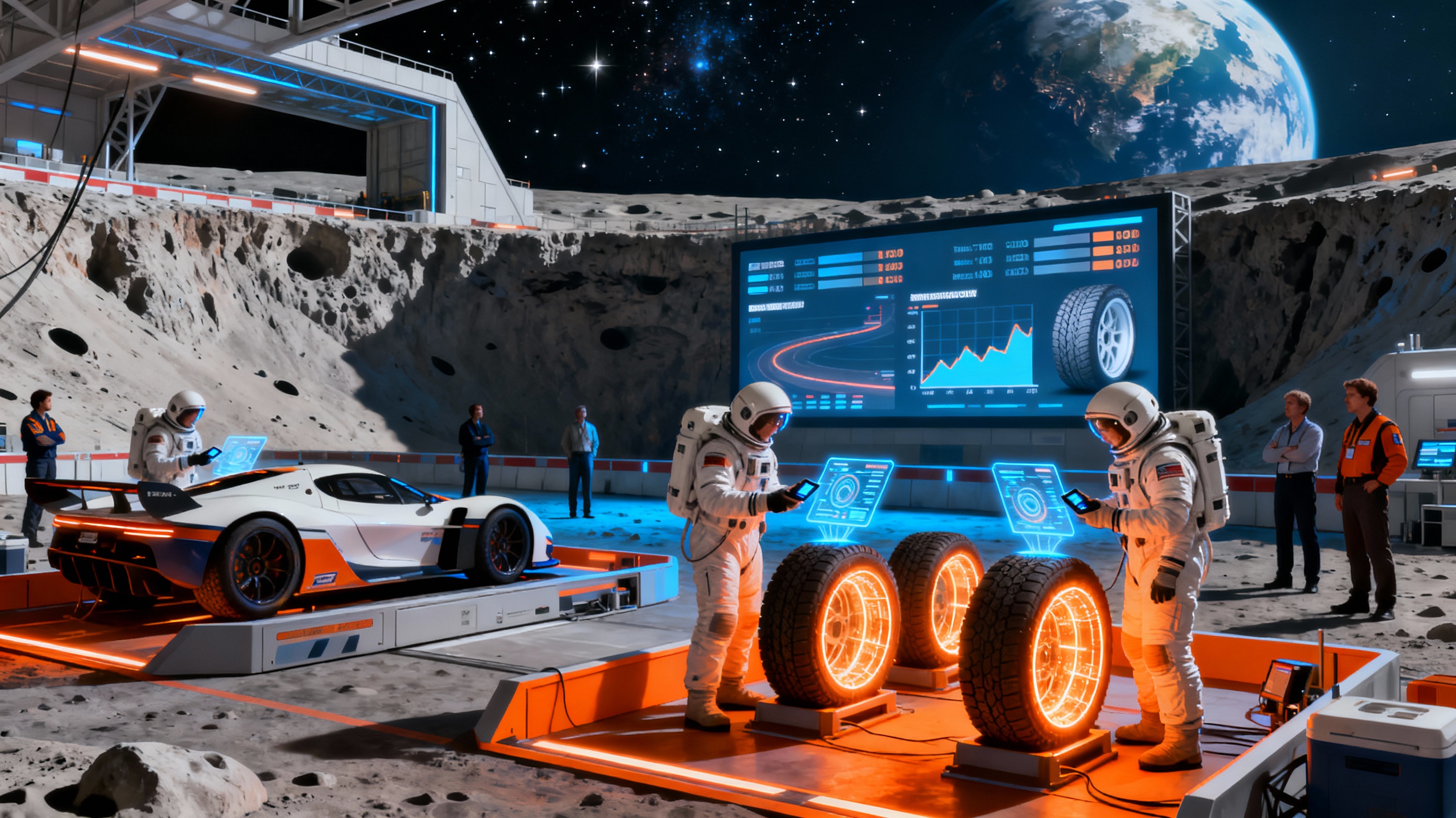
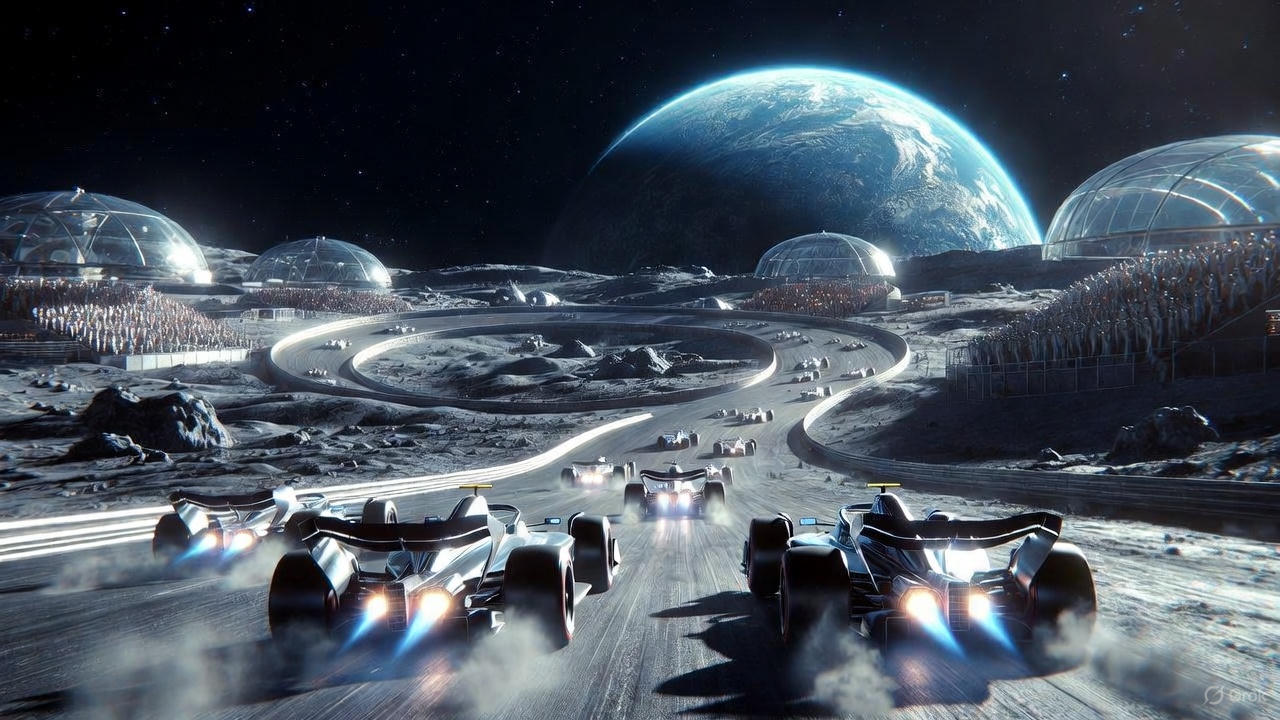
Shackleton Crater, Lunar South Pole – July 16, 2100
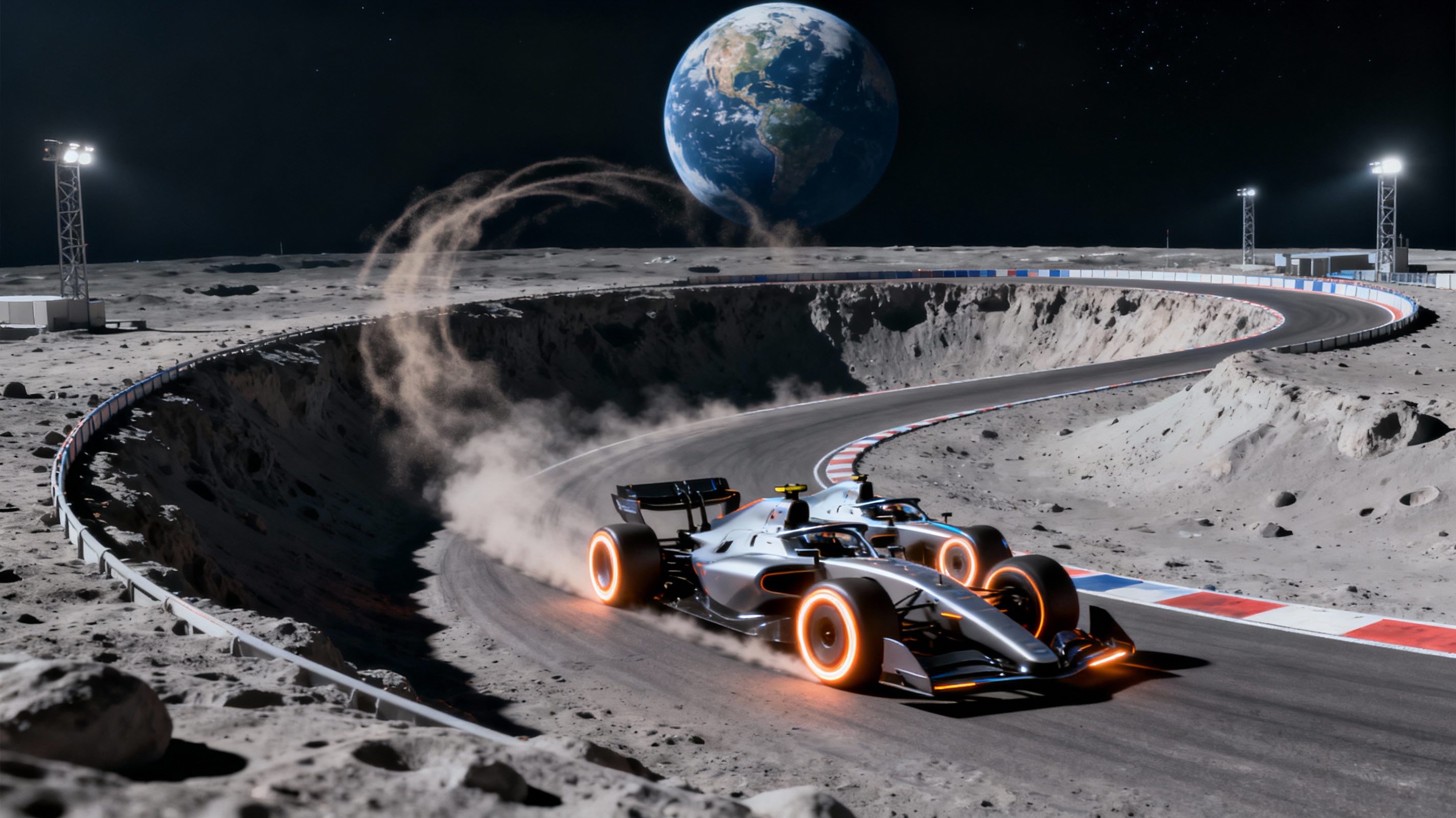
History was made today as the inaugural F1 Lunar Grand Prix roared across the Moon's surface. Under an unblinking black sky, 20 cars launched from the laser-sintered regolith grid at Shackleton Circuit, a 6.8 km ribbon of glass-smooth track carved into the crater rim.

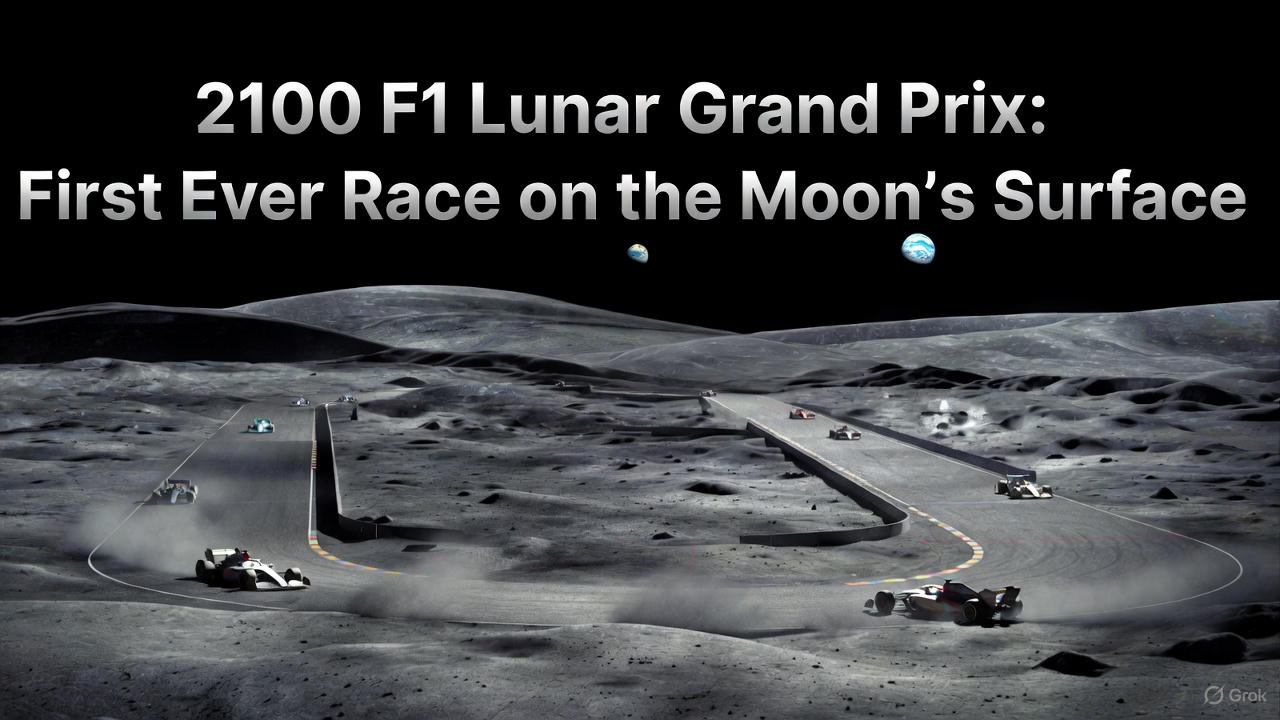
With no air and 1/6th gravity, the He-3 fusion cars topped 1,100 km/h, throwing silent white plumes that drifted for minutes. Pole-sitter Isaac Lin (Red Orion) seized the lead on lap 14 and won in 1h 11m 33s.
As Lin took the checkered flag, Earth rose directly above the finish line (a perfect blue marble framed against the void), witnessed live by 80,000 helmeted spectators in the grandstands and seven billion more back home.
"On Earth I never saw the horizon that low, or the stars that bright," Lin radioed after climbing out on the podium.
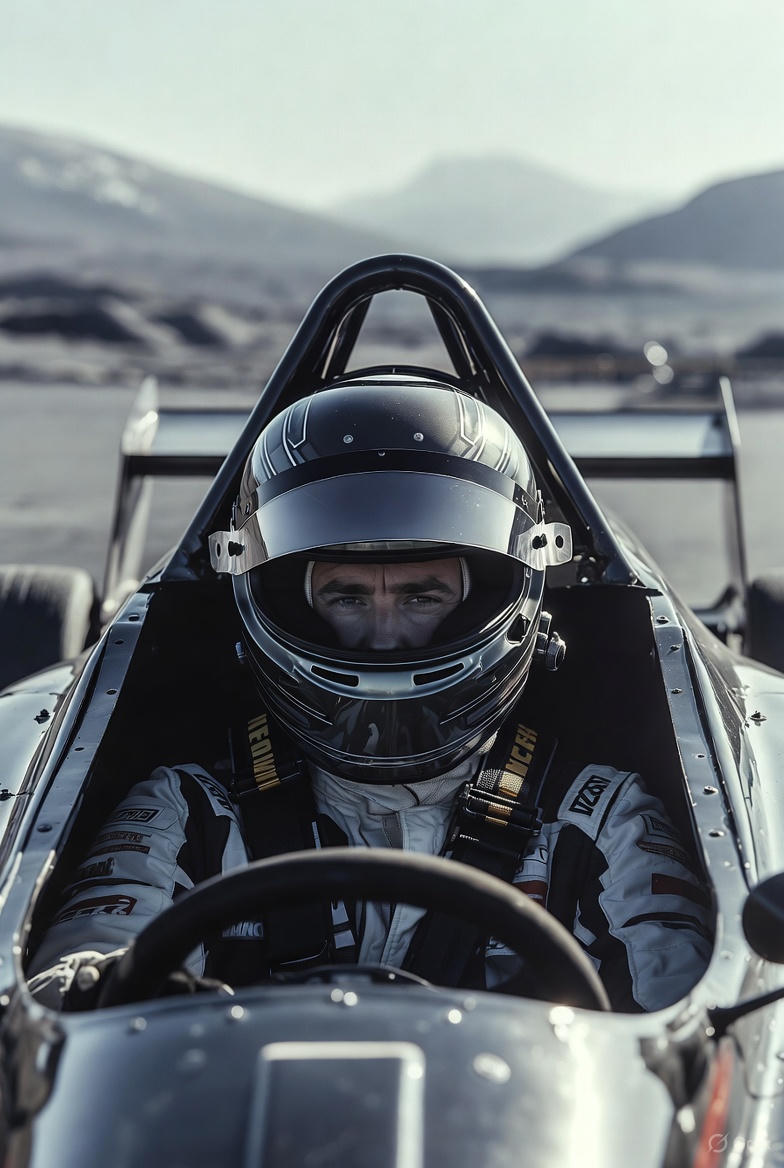
Moon Gravity Tire Duel
In the 2100 lunar Grand Prix, two rival tire makers debut experimental "gravity-tuned" compounds designed only for low-g circuits. Teams report lap times dropping by nearly three seconds as cars cling to the crater rims like magnets on rails.
However, multiple micro-crashes during night practice raise questions about how the new tires behave on rapidly cooling lunar asphalt.
The F1 Lunar Council launches an urgent review, warning that if one brand's advantage proves too large, it may force a mid-season rules reset.